Marcus Aurelius
121–180 CE
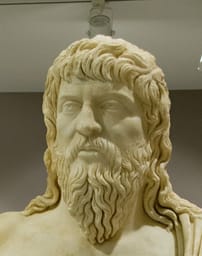
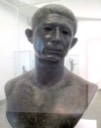
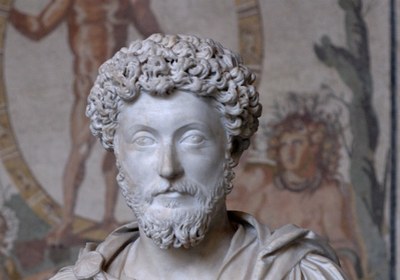
Marcus Aurelius was a Roman emperor who kept a private notebook to remind himself how to stay calm, kind and fair, even when everything around him felt noisy and chaotic.
Discover Marcus Aurelius’s storyThe Characters
Meet three featured heroes, then discover six more remarkable Stoic figures across the complete collection.

121–180 CE
Marcus Aurelius was a Roman emperor who kept a private notebook to remind himself how to stay calm, kind and fair, even when everything around him felt noisy and chaotic.
Discover Marcus Aurelius’s story
c. 4 BCE–65 CE
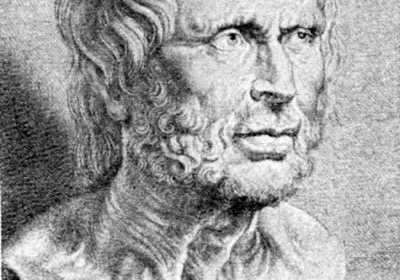
Seneca was a Roman thinker who loved writing letters about how to live a good, steady life in a world full of pressure and surprises.
Discover Seneca’s story
c. 55–c. 135 CE
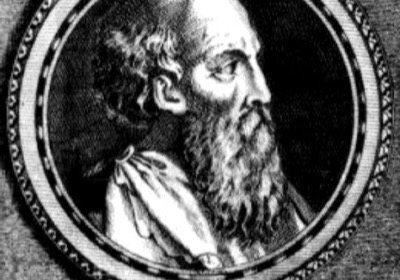
Epictetus was born into slavery and later became a beloved philosophy teacher.
Discover Epictetus’s storyAlso in the Stoic world
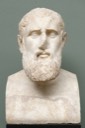
c. 334–c. 262 BCE
According to ancient tradition, Zeno was a merchant whose shipwreck eventually led him to philosophy in Athens.
Discover Zeno of Citium’s storyc. 330–c. 230 BCE
Cleanthes followed Zeno as leader of the early Stoic school.
Discover Cleanthes’s storyc. 280–c. 206 BCE
Chrysippus helped turn early Stoic ideas into a full system of logic, physics and ethics.
Discover Chrysippus’s story1st century CE
Musonius Rufus was a practical Stoic teacher who believed philosophy should show up in everyday choices: how we eat, how we speak and how we treat one another.
Discover Musonius Rufus’s story95–46 BCE
Cato the Younger was a Roman statesman known for his strict honesty and refusal to bend his principles, even when it cost him power and safety.
Discover Cato the Younger’s storyc. 70–42 BCE
Portia Catonis was the daughter of Cato the Younger. Ancient accounts remember her for courage under pressure.
Discover Portia Catonis’s story